How to Start a Worm Farming Business for Profit - Shoestring Budget in 2026
A Complete Beginner’s Guide
Worm farming, also known as vermicomposting or vermiculture is one of the simplest, most sustainable ways to turn everyday kitchen scraps and garden waste into a profitable home-based business.
With global demand for organic fertilizers and eco-friendly products surging in 2026, the vermicompost market is exploding. Projections show the industry growing at double-digit rates as more people and businesses seek natural alternatives to chemical soil conditioners and fertilizers.
If you’re dreaming of starting a worm farming business but don’t have thousands to invest, you’re in the right place.
This guide walks you through practical, low-cost steps drawn from over 20 years of real-world experience running a successful worm operation.
You’ll learn how to begin small, scale smart, and generate income from worms, castings, and worm tea without needing land, fancy equipment, or a big budget. A garage, a backyard, storeroom or part of a garden or cellar could often be suitable for a worm business.
Why Worm Farming Is a Smart Business Move Right Now
Earthworms work 24/7, recycling organic waste into “black gold”—nutrient-rich worm castings and liquid worm tea that gardeners, nurseries, and farmers crave.
Unlike traditional businesses, worm farming has:
- Ultra-low startup costs: You can launch with under $100 using household items.
- Minimal space requirements: A garage, basement, balcony, or backyard corner works perfectly.
- Multiple revenue streams: Sell live worms (for composting, fishing, or pet food), worm castings (premium fertilizer), worm tea, and even DIY worm bins.
- Environmental impact: Help fight climate change by diverting waste from landfills while producing a product that improves soil health and reduces the need for synthetic chemicals.
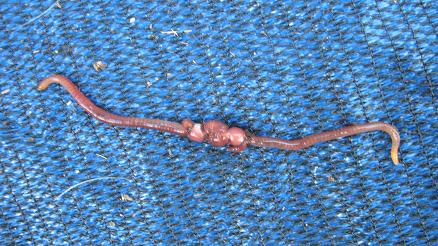
Best of all, worms reproduce quickly. Start with 500 to 1,000 red wigglers (the top composting variety), and you’ll soon have thousands more, creating a self-sustaining “workforce” that costs almost nothing to feed.
Step 1:
Choose the Right Worms and
Get Started Cheaply
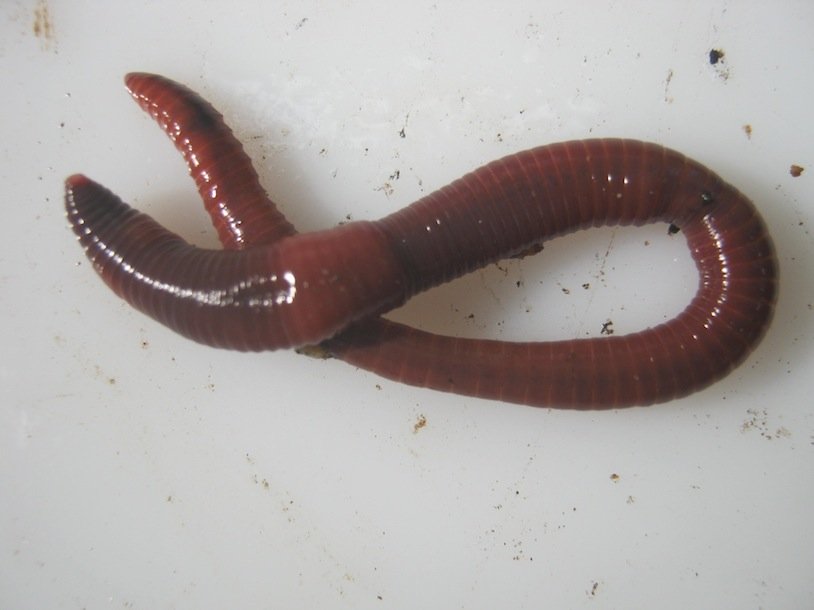
Focus on Eisenia fetida (red wigglers) or Eisenia andrei (tiger worms). These are hardy, fast breeders, and thrive in bins. Avoid common garden earthworms—they won’t survive in a worm bin and are breeding far to slowly.
- Budget sourcing: Buy 500–1,000 worms locally or online for $30–50. Many suppliers ship worldwide.
- First bin setup: Skip expensive commercial systems. Drill holes in a plastic storage tote or repurpose an old cooler. Line it with shredded newspaper or cardboard (free from recycling), add moist bedding, and introduce your worms.
- Total cost: under $20.
Feed them fruit and vegetable scraps, coffee grounds, and crushed eggshells. Avoid meat, dairy, citrus, and onions at first to prevent smells or pests.
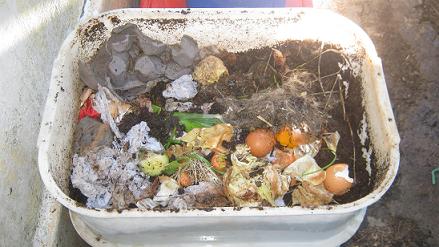 Worm food on the surface of a worm farm
Step 2:
Master Maintenance and
Avoid Common Beginner Mistakes
New worm farmers often lose worms due to overheating, overfeeding, or soggy bedding.
Keep these tips in mind:
- Maintain 55–77°F (13–25°C) and 70–80% moisture (like a wrung-out sponge).
- Harvest castings every 2–3 months by separating worms from finished compost using light or migration methods.
- Troubleshoot fast: Too wet? Add dry bedding. Escaping worms? Check temperature or acidity (add crushed eggshells).
From years of answering questions from worm farmers worldwide, the biggest wins come from starting small and observing your bin daily for the first two weeks. Once stable, it becomes almost hands-off.
Step 3:
Turn Your Worms into Multiple Income Streams
Once you have several worm bins established you are ready to start your worm business.
Here’s where the profit magic happens on a shoestring budget:
- Sell live worms – To other composters, fishermen, or schools. Price: $25–40 per pound.
- Produce and sell worm castings – The world’s best organic fertilizer. A 5-pound bag can retail for $15–25. Target local gardeners, nurseries, and online marketplaces.
- Offer worm tea – Brew it from castings and sell as a liquid fertilizer concentrate.
- Build and sell simple worm bins – Use recycled materials and charge $50–150 per unit.
- Workshops and consulting – Host short online or in-person sessions once you have experience.
Many successful operators started by giving away free castings to neighbors and gardeners—word-of-mouth marketing that costs nothing and builds loyal customers.
Step 4:
Scale Smartly Without Breaking the Bank
Once your first bin is thriving:
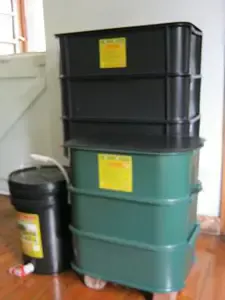
- Expand vertically with stackable bins or flow-through systems made from affordable lumber or repurposed materials.
- Source free worm food: Partner with coffee shops, restaurants, or community gardens for scraps.
- Market locally first—farmers’ markets, garden clubs, Facebook groups, and Craigslist—before going online.
Realistic earnings? A well-run small operation can generate $500–2,000+ per month within the first year through castings and worms alone, with costs staying extremely low. Larger-scale farms report even higher figures as demand for vermicompost continues to rise.
Common Pitfalls and How to Stay Profitable
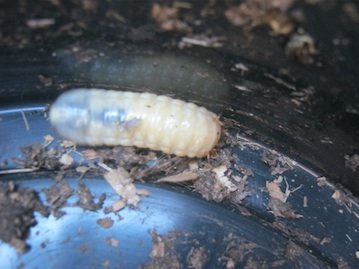
Watch for ants, fruit flies, Black soldier fly maggots or extreme temperatures. These are some of the few challenges you might experience when starting a worm farm. But they can be easily fixed with some simple adjustments.
Focus on consistent quality: Healthy worms produce premium castings that command higher prices. Track your costs meticulously (most are under $10/month once running) and reinvest early profits into more bins.
Ready to Launch Your Own Worm Business?
Worm farming proves you don’t need a big budget, fancy degree, or huge space to build a green, profitable venture.
Thousands of people worldwide are already doing it successfully—recycling waste while earning steady income from home.
Start today with one small bin and a handful of worms. Watch your system grow, your soil improve, and your bank account follow. The beauty of this business is its simplicity: the worms do most of the work, and nature rewards consistency.
How to start a profitable worm business
on a
shoestring budget
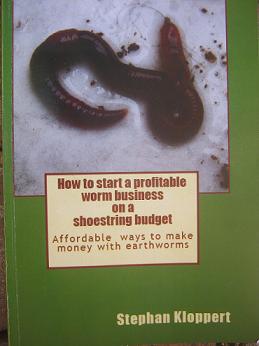
For those ready to go deeper with exact blueprints, scaling strategies, marketing plans, custom bin designs, and troubleshooting shortcuts developed over nearly two decades of running a real worm business, my practical guide How to Start a Profitable Worm Business on a Shoestring Budget pulls everything together in one easy-to-follow resource. Many readers have used it to move from hobby to full income stream faster than they expected. The time to start is now—2026 is shaping up to be a banner year for sustainable businesses like yours.
Grab some worms, set up that first bin, and join the growing community of successful worm farmers turning waste into wealth. Your profitable worm business is closer than you think.
The book is showing you step by step how you can start your own worm business with next to no capital. Have a look below at some links to pages that might help you to find answers to questions many worm composting business beginners have come across over the years. If you have a specific question while busy with the book, please feel free to contact me using one of the interactive forms on the bottom of most pages of my website and I will answer you to the best of my ability.
What customers who bought the book had to say
How to harvest vermicast from a 3 tier worm farm
----------
----------
Making money with earthworms is easy
----------
-----------
Worm composting against climate change
-----------
Return from "start a worm business" to the "Home Page"
-----------
-----------
----------
How do worms improve my garden?
---------
For Questions and suggestions contact us through the form below!
---------
"Want to turn your worm bin into a real income? "How to Start a Profitable Worm Business on a Shoestring Budget" — the complete step-by-step guide from 25 years of real worm farming experience. Get it on Amazon:
 On Special
Recent Articles


-
How to Harvest Worm Castings from Stacking Bins (Step-by-Step)
Jun 10, 26 08:16 AM
 Learn how to harvest worm castings from multi-tier stacking bins the easy way. Step-by-step guide from a 25-year vermicomposting expert.
 -
How to Start a Profitable Worm Business on a Budget
Jun 09, 26 09:04 AM
 Learn how to start a profitable worm farming business with minimal investment. Proven vermicomposting methods from 25+ years of experience. Sell worm castings, worm tea, and bait worms for real income…
 -
Worm composting Advice?
May 08, 26 03:36 AM
Hi, Just checking if you're still around? I've been growing a thriving worm farm and need some advice. Thanks, Rezah
"Want to turn your worm bin into a real income? "How to Start a Profitable Worm Business on a Shoestring Budget" — the complete step-by-step guide from 25 years of real worm farming experience. Get it on Amazon:
Search / Suchen
Our New Book
Order the Kindle E-book for the SPECIAL PRICE of only
$4.95
Prices valid till 30.06.2026!