Moisture control in continuous flow worm bins.

by Kenneth Hofer
(Grande praire, Alberta, canda)

With setting up a series of continuous flow bins I am having a challenge with managing the moisture, as the worms seem to dwell in the bottom of the bin, and having problems with cave-ins. What is the best way to manage moisture, is it via feedstock before adding the feedstock in the bin or should I add water after adding feed? How do I get the worms so they just feed on top? My feedstock consists of precomposed hay, straw, and woodchips, with finished compost mixed and some ground-up grains. Please let me know if you have further questions for me and how you can answer any of my questions. Thanks in advance Kenneth.

Comments for Moisture control in continuous flow worm bins.

Average Rating starstarstarstarstar

Click here to add your own comments

Apr 19, 2024
Rating
starstarstarstarstar
Re: Moisture control in continuous flow worm bins.
by: Stephan

Hello Kenneth,

generally, I like continuous flow through worm bins. One problem you might find with some worm bins is the fact that they don't have a proper lid and that this way the worm food and worm bedding at the top of the worm bin might lose a lot if not all its moisture content which will cause problems for the worms which need a moist environment to be able to breathe through their skin.

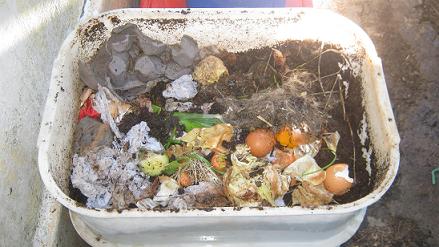
To keep as much moisture as possible in worm bedding and worm food we usually use sheets of heavy-duty opaque plastic which we place directly on the surface of the worm bins after we add food and moisture to the surface of the bin. In addition, we cover the plastic sheet with some old carpets or carpet underfelt. This way we protect the surface of the worm bin from sunshine and natural predators like birds.

The moisture level of your worm bedding should ideally resemble that of a squeezed-out sponge.


The other problem I noticed in your message was the fact that your worms seem to be all in the lower levels of your worm bin. That shouldn't be the case as compost worms are top feeders and can under normal circumstances be found in the top layers of a worm bin.

There are usually two conditions that can force the worms to move toward the bottom of a worm bin or leave it altogether.

1. The food added to the surface of the worm bin is too acidic which is harmful to the worms or

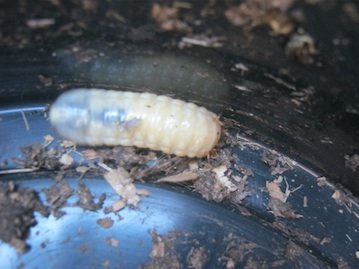
2. The presence of Black Soldier fly maggots which the worms avoid.

From what you wrote I believe that the grains that you are using as worm food might have driven the worms down the bedding. You might want to measure the pH levels of your worm bedding to get an idea.

If you have to do with BSF maggots please have a look at one of several articles I wrote about the subject at www.worm-composting-help.com

The URL is: https://www.worm-composting-help.com/how-to-stop-these-maggots-from-killing-all-the-worms-in-your-worm-farm.html

I trust this information will help you. I wish you all the best for your worm composting project.

If you have additional questions, please feel free to contact us and share them with the worm composting community.

Kind regards and God's blessings

Stephan Kloppert

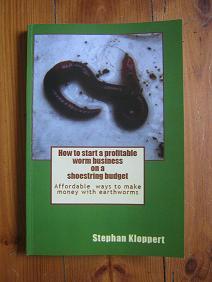
Author of "How to start a profitable worm business on a shoestring budget"

Editor of www.worm-composting-help.com

Click here to add your own comments

Join in and write your own page! It's easy to do. How? Simply click here to return to Questions about worm composting.


"Want to turn your worm bin into a real income? "How to Start a Profitable Worm Business on a Shoestring Budget" — the complete step-by-step guide from 25 years of real worm farming experience. Get it on Amazon:

🪱
Want to earn money from worm farming?
The complete guide to starting a profitable worm business
How to Start a Profitable Worm Business on a Shoestring Budget by Stephan Kloppert On Special
“How to Start a Profitable Worm Business on a Shoestring Budget”
Real-world proven methods from 25+ years of hands-on worm farming experience across South Africa and Germany — by Stephan Kloppert
Paperback$12.99 Order on Amazon
Kindle eBook$4.99 Get on Kindle
★ Special prices valid till 31.07.2026
Verified Amazon Customer Reviews
★★★★★
“Everything about building a worm farm is described step by step. Highly recommended!”
— Hubertus, Germany ✓ Verified Purchase
★★★★★
“Well written, informative and oftentimes humorous. A very cost efficient and simple business.”
— Adam J. McKee, United States ✓ Verified Purchase
★★★★★
“No crazy tricks — just straight forward, useable information.”
— Kimberly, United States ✓ Verified Purchase

"Want to turn your worm bin into a real income? "How to Start a Profitable Worm Business on a Shoestring Budget" — the complete step-by-step guide from 25 years of real worm farming experience. Get it on Amazon:

From a 25-year worm farmer
Turn your worms into a profitable business
How to Start a Profitable Worm Business on a Shoestring Budget by Stephan Kloppert
On Special
“How to Start a Profitable Worm Business on a Shoestring Budget”
by Stephan Kloppert
Paperback$12.99
Kindle$4.99
Order on Amazon Get Kindle Edition →
★ Special prices valid till 31.07.2026
Verified Amazon Customer Reviews
★★★★★
“Everything about building a worm farm is described step by step. Highly recommended!”
— Hubertus, Germany ✓ Verified Purchase
★★★★★
“Well written, informative and oftentimes humorous. A very cost efficient and simple business.”
— Adam J. McKee, United States ✓ Verified Purchase
★★★★★
“No crazy tricks — just straight forward, useable information.”
— Kimberly, United States ✓ Verified Purchase


SearchSuchen


How worms recycle human manure