Worm Bin Problems
8 Common Issues and Easy Fixes for Worm Bin Problems (2026)
Worm bin problems are one of the biggest reasons beginners get discouraged and quit vermicomposting. The good news? Most issues are easy to spot and fix once you know what to look for.
In 2026, with more people starting worm composting systems at home, these troubleshooting skills have become essential for long-term success.
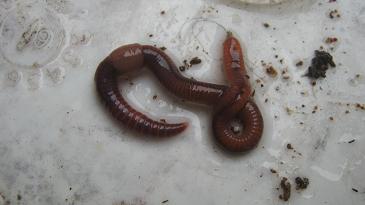
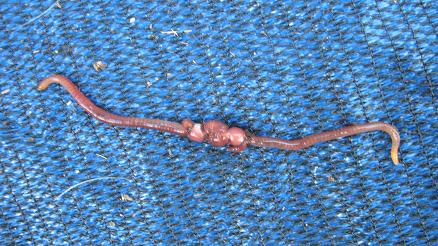
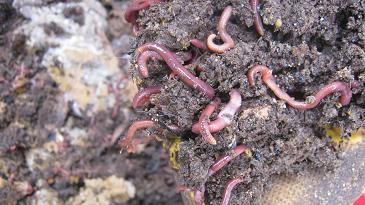 Compost worms at work
Whether your bin gives of bad odors, worms are escaping, or nothing seems to be breaking down, this guide covers "The 8 most common worm bin problems" and gives you simple, proven fixes that work in apartments, garages, gardens or backyards.
1. Bad Smells (The #1 Complaint)
A healthy worm bin should smell like fresh earth or damp forest soil. Sour, rotten, or ammonia odors mean something is wrong.
Fixes:
- Stop feeding worms for 1–2 weeks and add plenty of dry shredded newspaper or corrugated cardboard.
- Bury food scraps deeper and chop or shred them smaller.
- Improve airflow by fluffing the bedding or adding more holes to your bin.
- Balance “greens” (food) with “browns” (bedding) — aim for 70% browns by volume.
2. Worms are Escaping or Crawling Out
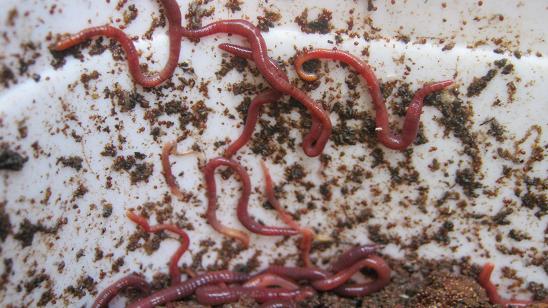 Worms crawling on worm bin wall
Worms on the lid or sides of a worm bin usually signal stress, not a desire for freedom. Often, they try to escape as well during heavy rainstorms.
Fixes:
- Check bedding temperature — too hot (>85°F) or too cold (<55°F) drives them out.
- Reduce moisture if the bedding feels soggy (It should feel like a wrung-out sponge) A few drops of moisture should fall when you squeeze a hand full of bedding. That would be perfect.
- Lower acidity by mixing in crushed eggshells or garden lime.
- Make sure the bin is in a dark, quiet location away from vibrations and heavy downpours.
3. Fruit Flies or Gnats
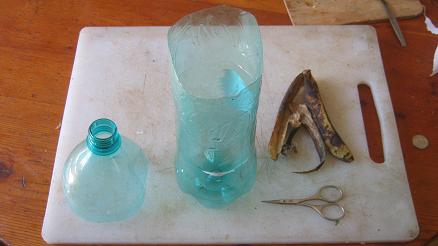
These tiny pests can appear when there’s too much exposed food or decaying Material in the worm bin.
Fixes:
- Always bury food under 2–3 inches of bedding.
- Use a “trap” — place a small piece of overripe banana in an open jar with holes in the lid near the bin. (How to build a fruit fly trap)
- Add a layer of dry leaves, newspaper or coconut coir on top.
- Avoid feeding citrus, onions, or large amounts of fruit until the population is greatly reduced.
Avoid the 7 biggest mistakes that can kill your worms
Free checklist: 7 mistakes killing 90% of beginner worm farms
Get instant fixes for problems like:
✓ Why worms escape or disappear overnight
✓ The #1 feeding mistake that causes maggots
✓ How to fix a bin that smells terrible fast
Enter your email below and click the button:
🔒 No spam. Unsubscribe any time. Trusted by worm farmers in over 40 countries.
4. Bin Too Wet (Soggy or Waterlogged)
Excess moisture is one of the fastest ways to kill worms and create anaerobic conditions.
Fixes:
- Add absorbent bedding (shredded paper, corrugated cardboard, or coir) and mix gently but thoroughly.
- Drill extra drainage holes if using a plastic tote and elevate the bin slightly.
- Reduce watery foods like melon or cucumber peels.
- In humid 2026 summer weather, check moisture levels every few days.
5. Bin Too Dry (Worms Look Thin or Inactive)
Dry conditions stop worms from eating and reproducing.
Fixes:
- Mist lightly with dechlorinated water.
- Cover the surface with damp hessian bags or newspaper.
- Add more high-moisture foods like vegetable peels, but bury them well.
6. Worms are Not Eating or Very Slow Activity
New bins often take time to settle, but ongoing inactivity points to other issues.
Fixes:
- Ensure temperature stays between 55–77°F (ideal range for red wigglers ie: Eisenia fetida).
- Feed smaller amounts more frequently rather than large dumps.
- Introduce a handful of finished castings or garden soil to boost microbes.
- Give them at least 2 to 3 weeks after any big environmental change before expecting normal activity.
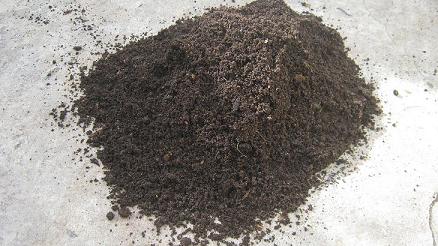
7. Ants in the Worm Bin
Ants usually invade when the bin is too dry or contains sweet foods.
Fixes:
- Keep bedding moist — ants hate wet conditions.
- Create a moat by placing bin legs in containers of water with a drop of dish soap.
- Remove any sweet or protein-rich scraps immediately.
- Sprinkle diatomaceous earth (food-grade) around the base of the bin.
8. Slow Composting or No Worm Castings after 6 Months.
Your worms are alive, but the process feels stalled.
Fixes:
- Increase worm-to-food ratio (more worms or less food).
- Chop scraps into smaller pieces and mix with bedding.
- Maintain consistent moisture and temperature.
- Harvest only when material looks like dark, crumbly coffee grounds.
Tips for 2026 Worm Bin Success.
Worm bin problems are normal when you’re learning, but they rarely mean failure.
Most experienced worm farmers have dealt with every issue on this list — and fixed them over time. Solving these challenges builds confidence and turns your bin into a reliable, low-maintenance system.
Many people who master these fixes eventually scale up and discover that healthy worm systems create multiple income opportunities through castings, live worms, and worm tea. The difference between struggling and thriving often comes down to having the right troubleshooting knowledge from the start.
Use your worm farm for extra income
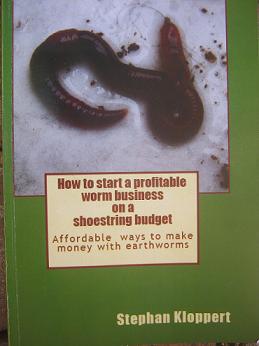
If you want detailed blueprints, advanced harvesting techniques, marketing strategies for selling your output, and dozens more real-world solutions developed from years of hands-on worm farming, my guide How to Start a Profitable Worm Business on a Shoestring Budget is packed with exactly the kind of practical help that turns beginners into successful operators.
Start fixing your worm bin today. A healthy, productive system is closer than you think — and the rewards (both for your garden and your wallet) are well worth the effort.
-----------
------------
"Want to turn your worm bin into a real income? "How to Start a Profitable Worm Business on a Shoestring Budget" — the complete step-by-step guide from 25 years of real worm farming experience. Get it on Amazon:
 On Special
Recent Articles


-
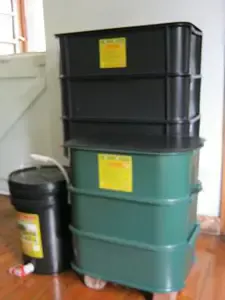
How to Harvest Worm Castings from Stacking Bins (Step-by-Step)
Jun 10, 26 08:16 AM
 Learn how to harvest worm castings from multi-tier stacking bins the easy way. Step-by-step guide from a 25-year vermicomposting expert.
 -
How to Start a Profitable Worm Business on a Budget
Jun 09, 26 09:04 AM
 Learn how to start a profitable worm farming business with minimal investment. Proven vermicomposting methods from 25+ years of experience. Sell worm castings, worm tea, and bait worms for real income…
 -
Worm composting Advice?
May 08, 26 03:36 AM
Hi, Just checking if you're still around? I've been growing a thriving worm farm and need some advice. Thanks, Rezah
"Want to turn your worm bin into a real income? "How to Start a Profitable Worm Business on a Shoestring Budget" — the complete step-by-step guide from 25 years of real worm farming experience. Get it on Amazon:
Search / Suchen
Our New Book
Order the Kindle E-book for the SPECIAL PRICE of only
$4.95
Prices valid till 30.06.2026!